The Best Fluffy Pancakes recipe you will fall in love with. Full of tips and tricks to help you make the best pancakes.
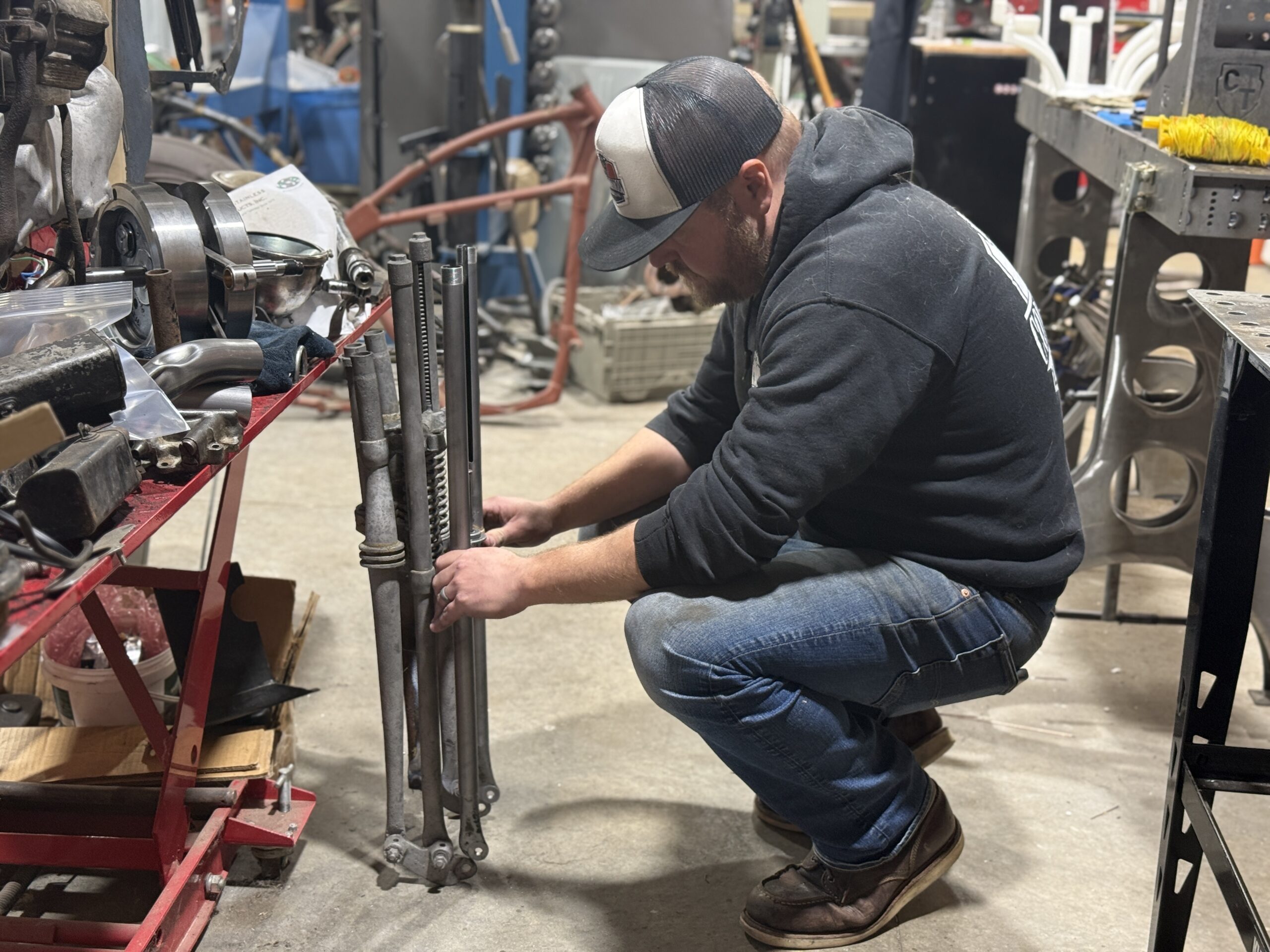
Every once in a while a piece comes into the shop that reminds you motorcycles are not museum objects. They are survivors.
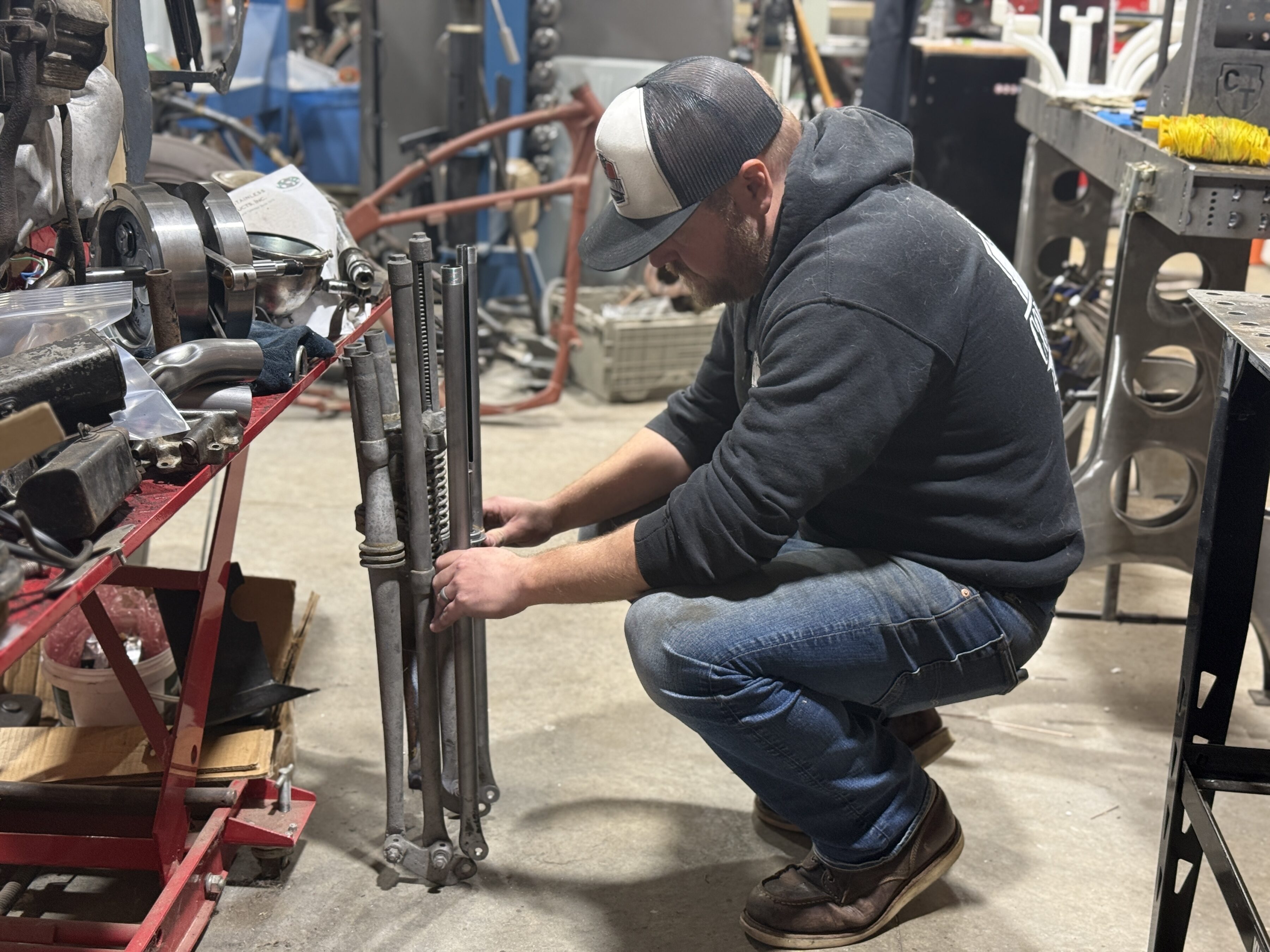
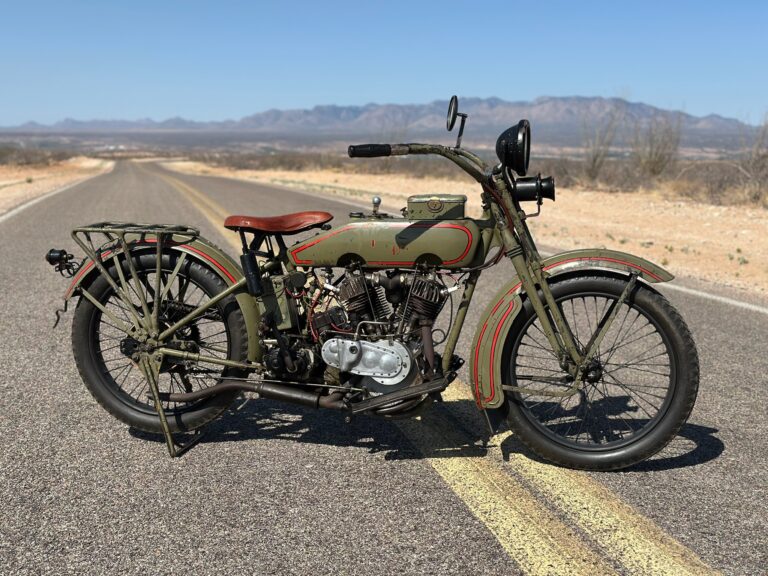
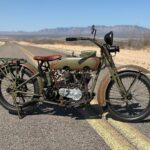
This one is an original 1928 Harley JD front end that has lived a full life. It had been bent in a wreck at some point, coated in powder coat, straightened once already, and then stripped for paint, where the real problem showed up. The fork legs were heavily pitted from rust. Not surface rust either. Real pinholes that would eventually turn into structural problems.
That is not something you ignore when your goal is to ride the bike.
So the plan was simple. Save as much original material as possible, replace what could not be trusted, and send this thing back out into the world ready for another hundred years of abuse.
Taking a Hundred Year Old Joint Apart
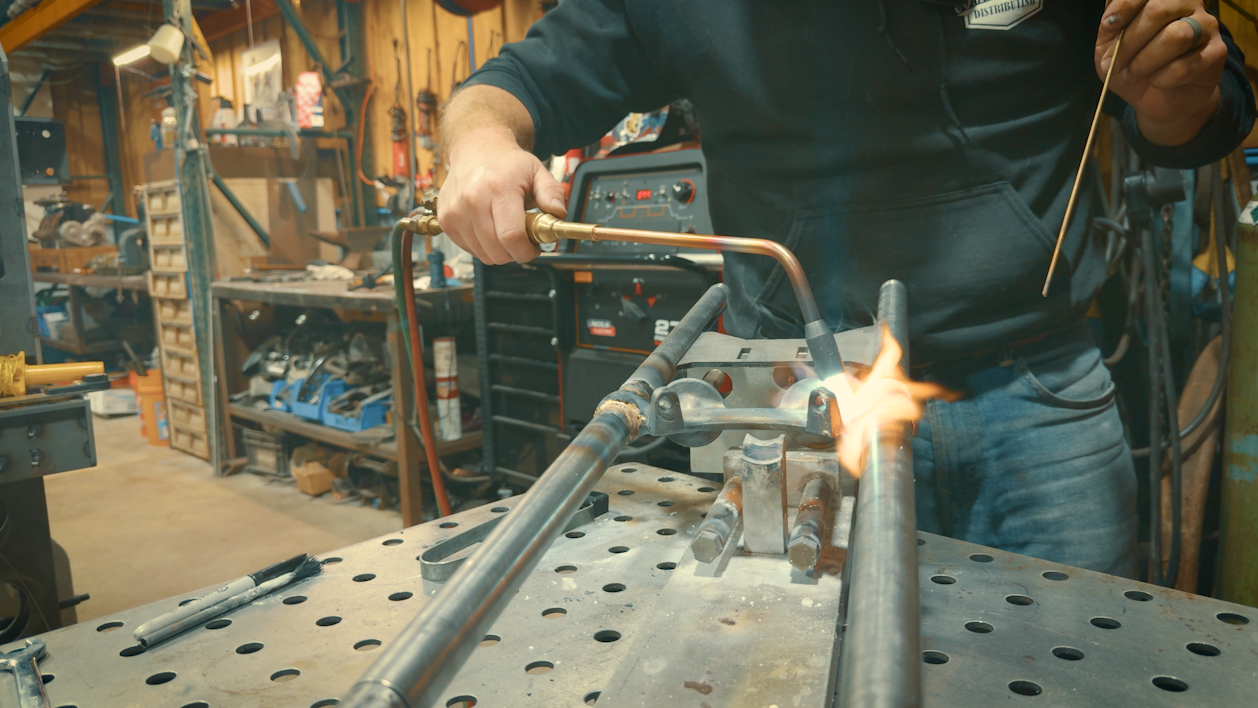
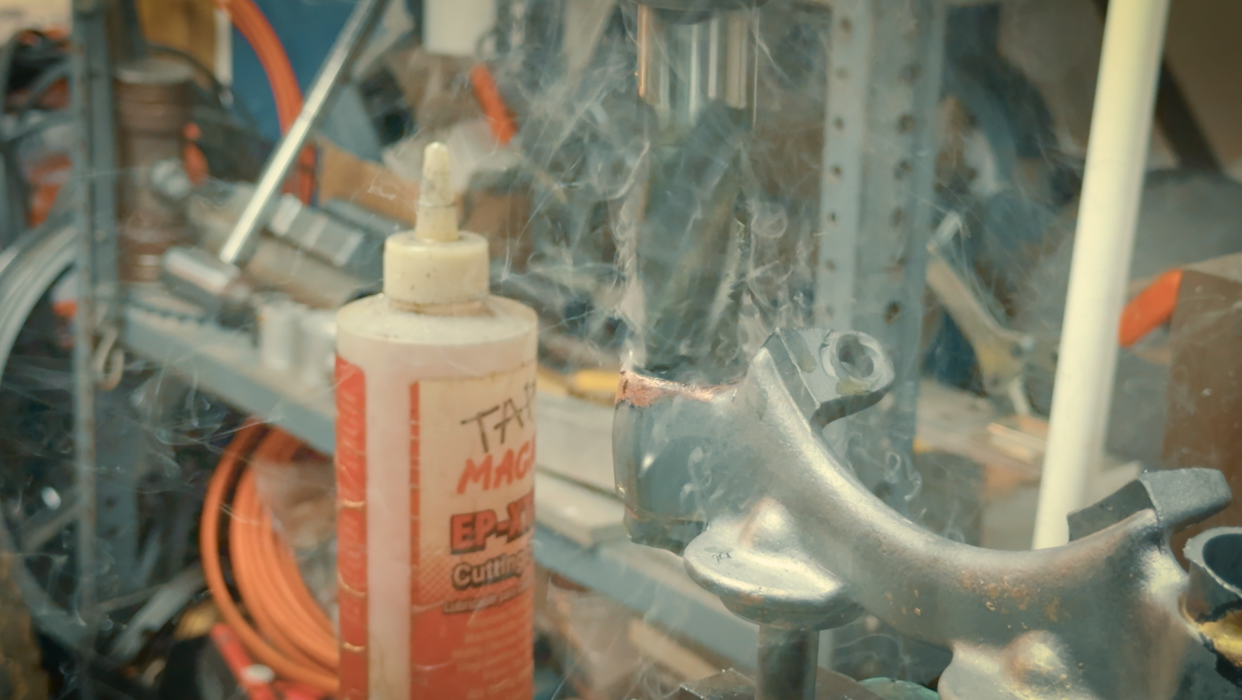
The first step was removing the original fork tubes from the castings. Early Harley front ends were brazed together, and that braze is no joke. It takes serious heat to get it to liquefy and release the tube.
Once the casting starts getting up to temperature and the bronze begins to flow, it is hard not to nerd out a little. The last time that joint was liquid was around a hundred years ago when someone on the Harley factory floor was building this thing for the first time. Same metal. Same process. Different century.
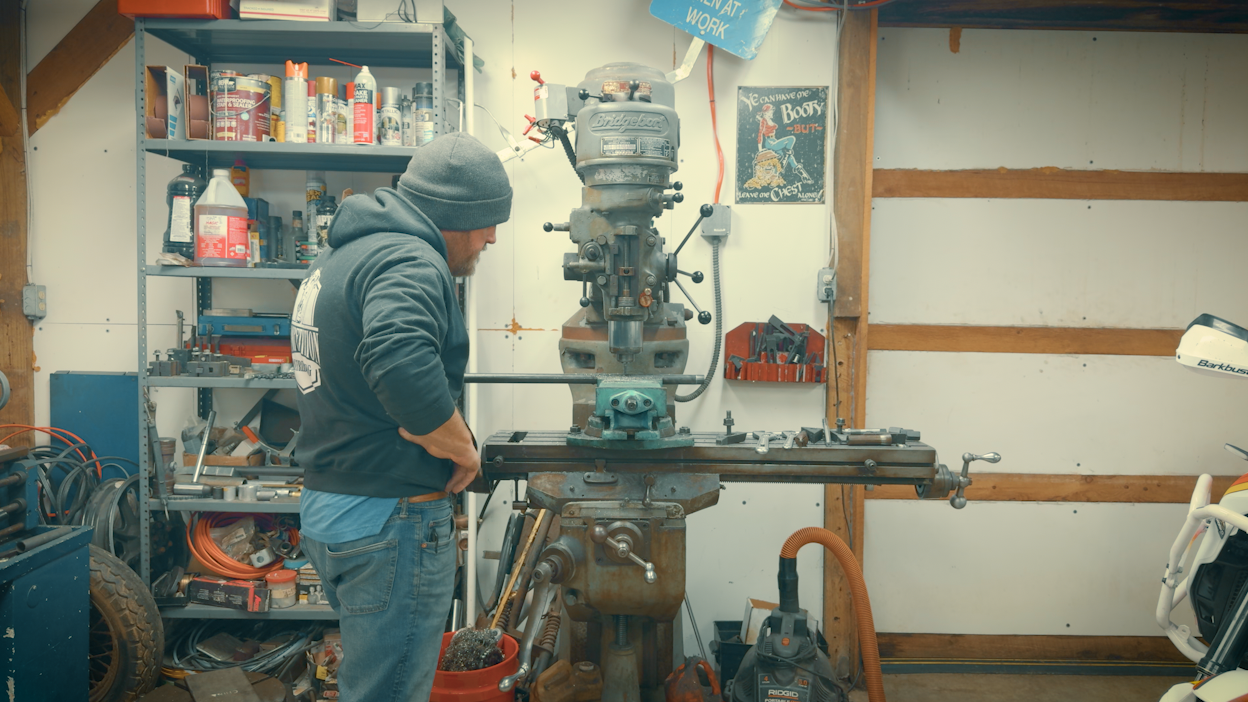
The joints also used stake pins in addition to brazing. Those pins lock everything in place and make disassembly more complicated. In those cases, instead of fighting the braze directly, the tubes were cut and machined out on the lathe and mill so the original castings could be preserved without damage.
The goal is always to save as much original material as possible. If a casting has survived a century, it deserves to keep doing its job.
Cleaning Up the Original Castings
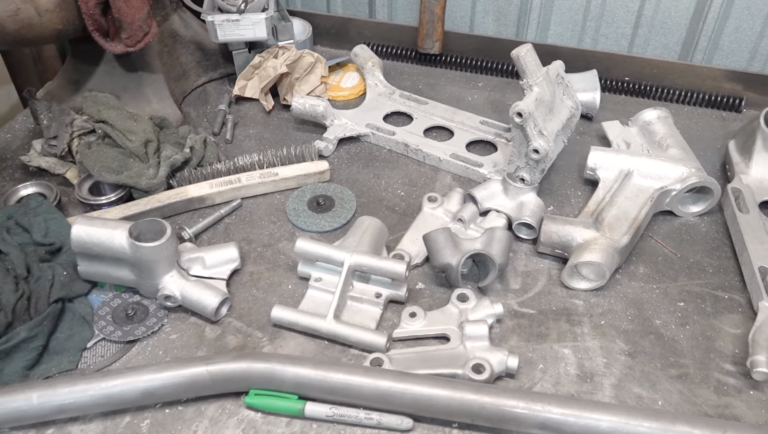
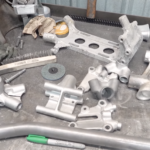
Once the old tubes were removed, the castings were machined back to clean, solid material. Years of rust, pitting, and old braze were cut away until fresh steel was exposed again.
This creates a new, accurate bore for the replacement tubes while keeping the original Harley castings intact. In some areas, the corrosion was deep enough that machining a fresh internal surface was the only responsible option.
It also gives a perfect surface for the new joints to bond properly when everything goes back together.
Making New Fork Tubes From Scratch
With the castings prepped, it was time to make new fork tubes.
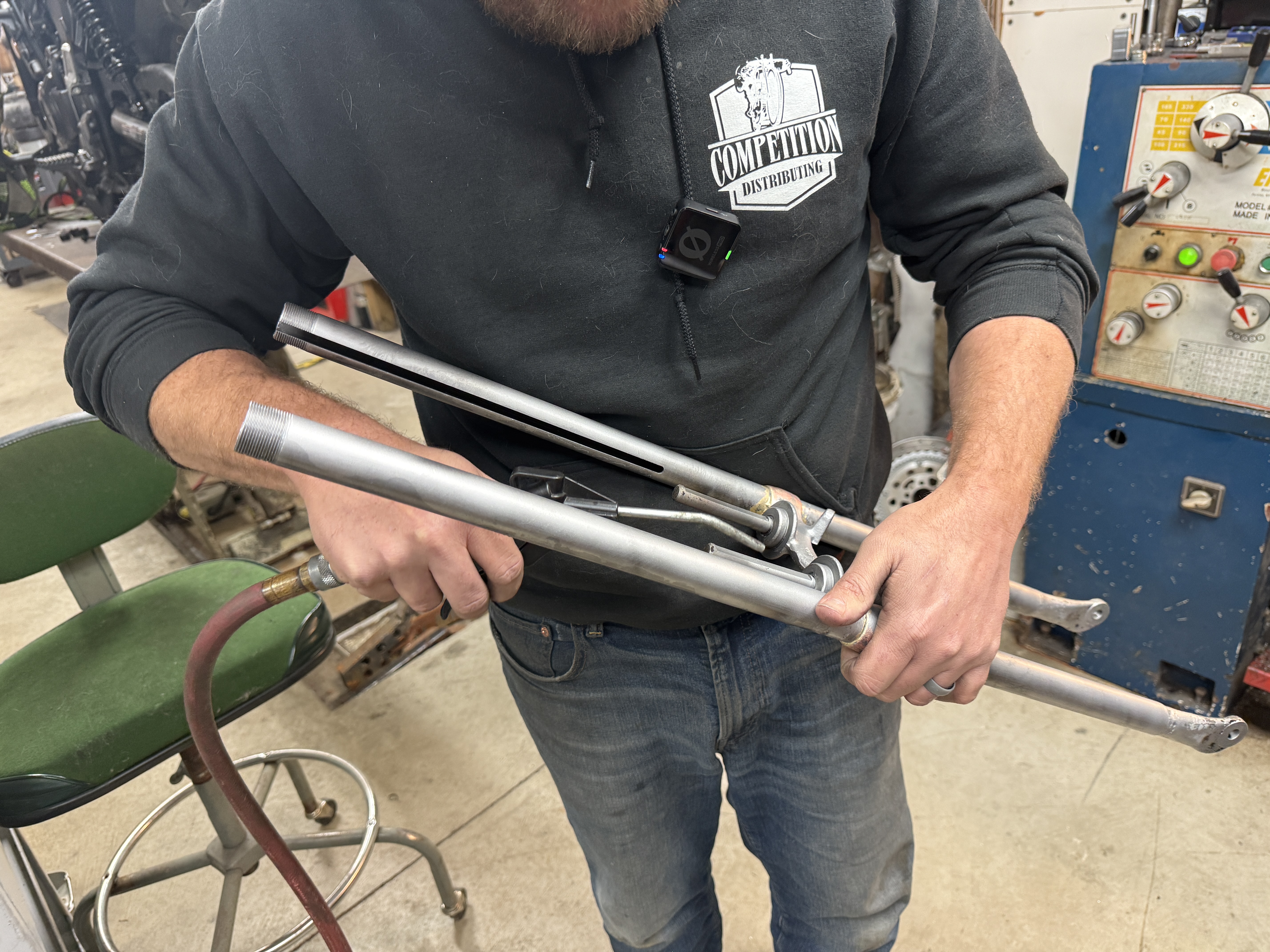
These early JD forks use internal springs, meaning the suspension components live inside the tube itself. That requires precise internal clearances, threaded ends for spring caps, and machined runner tracks so the plungers stay aligned and move smoothly.
The tubes start as one inch tubing with the correct wall thickness. Each tube is cut to length, threaded, machined for the plunger track, and finished so the springs preload correctly and the caps seat properly.
Every dimension matters here. Spring rate, travel length, alignment, and durability all depend on getting these tubes exactly right.
Once both tubes were finished, they were test fit into the freshly machined castings and prepared for final assembly.
Fixturing and Brazing It All Back Together
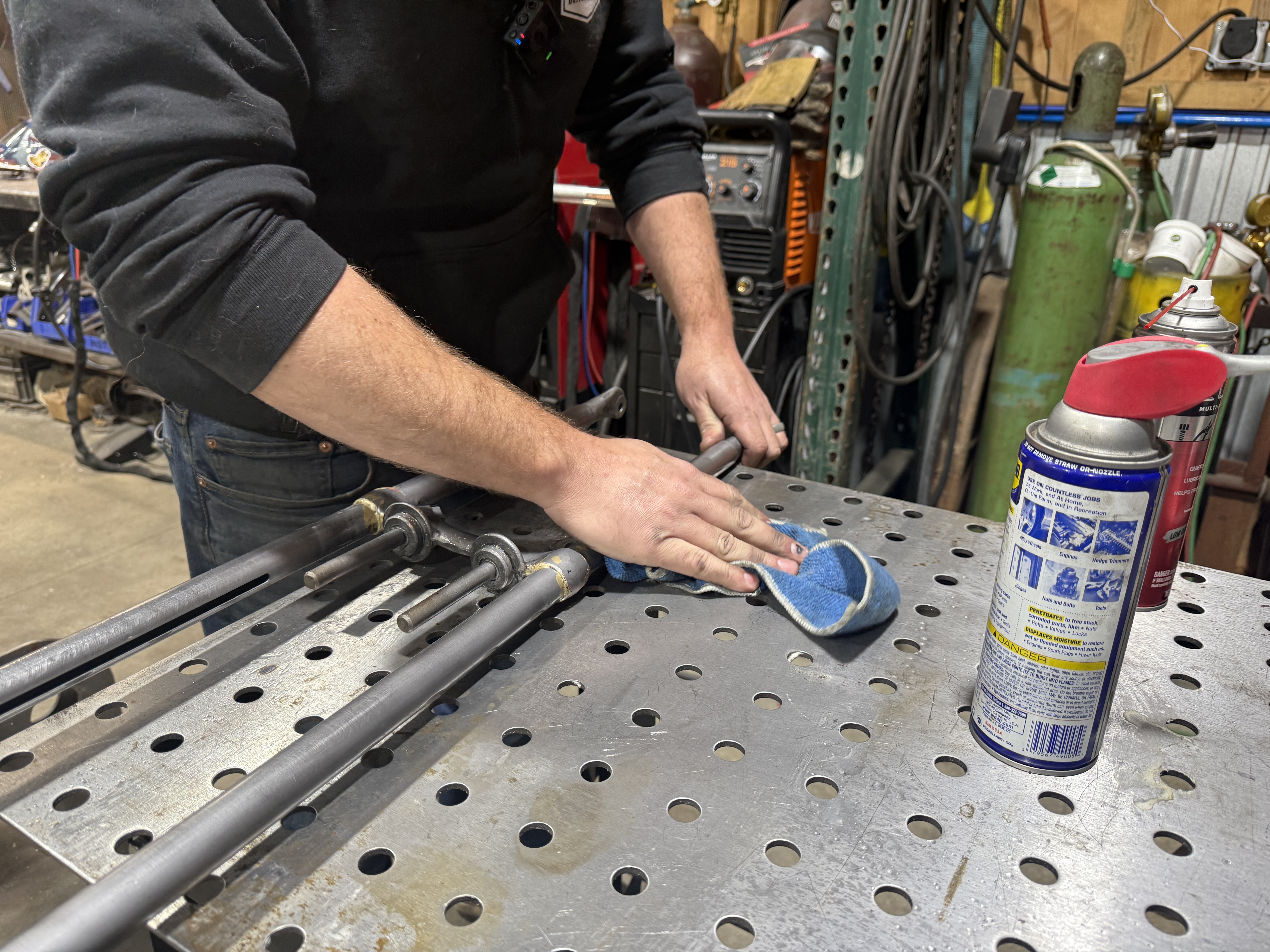
Assembly happens in a dedicated fixture so everything stays straight and properly aligned during brazing. Slot alignment, spacing, and overall length are locked in before any heat is applied.
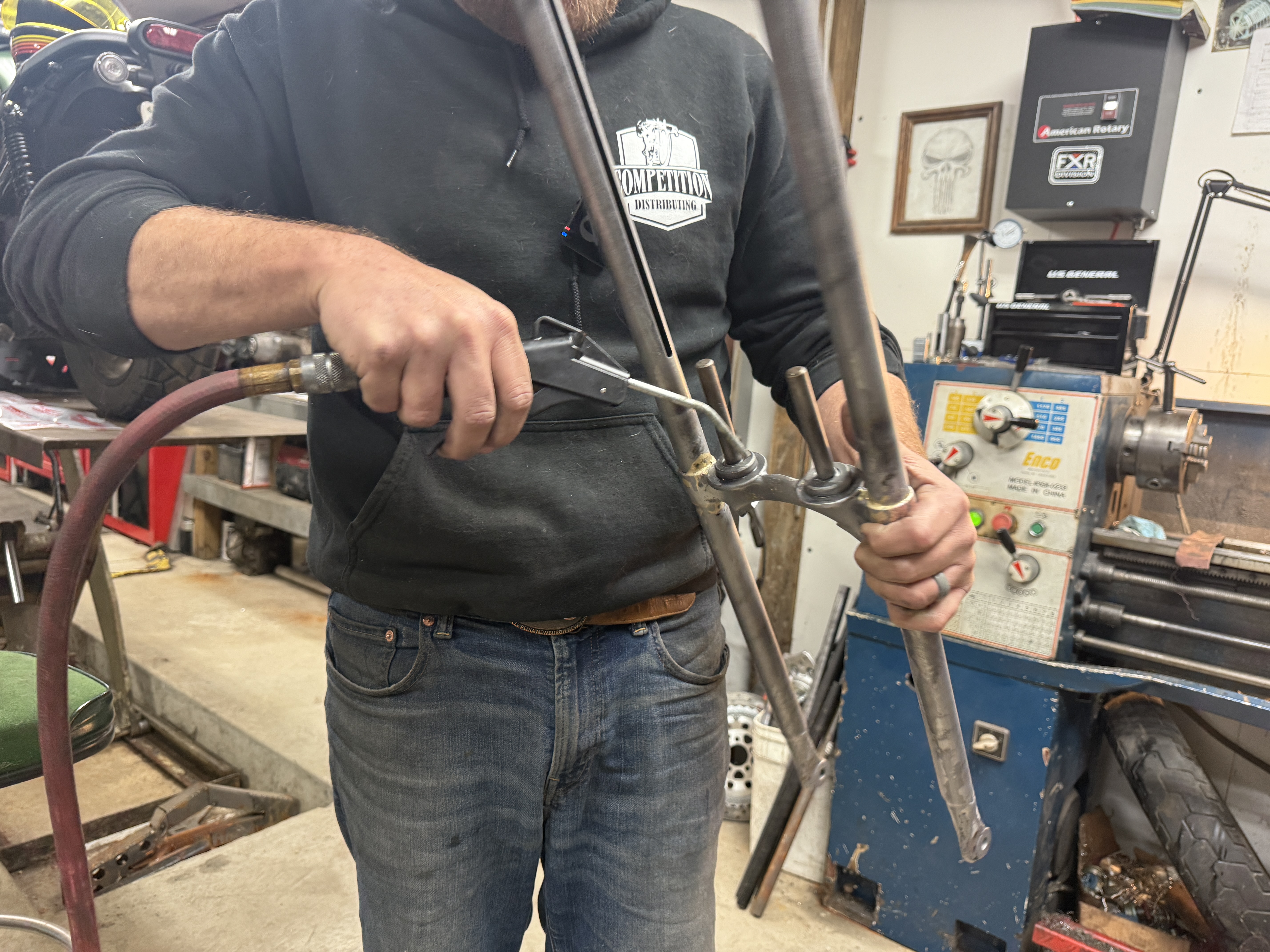
Low fuming bronze is used for these joints, which requires significantly more heat than silver braze. The parts must be brought up to a proper glowing temperature so the bronze flows and wicks completely through the joint.
When done correctly, the filler pulls itself deep into the joint and creates an incredibly strong bond. It is one of those processes that never stops being satisfying to watch.
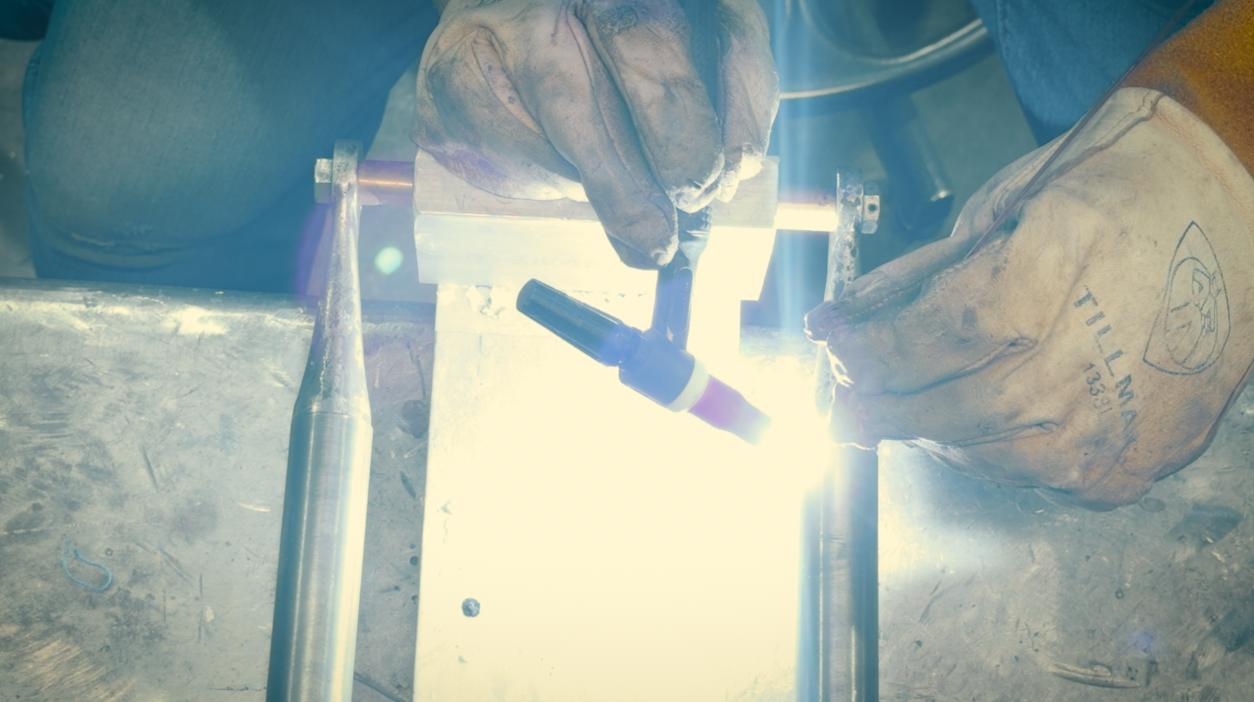
Once the top joints were brazed and cooled, the lower lugs were TIG welded for added strength. The welds disappear once cleaned and painted, but the added security is worth it, especially for a bike that will see real miles.
The Finished Result
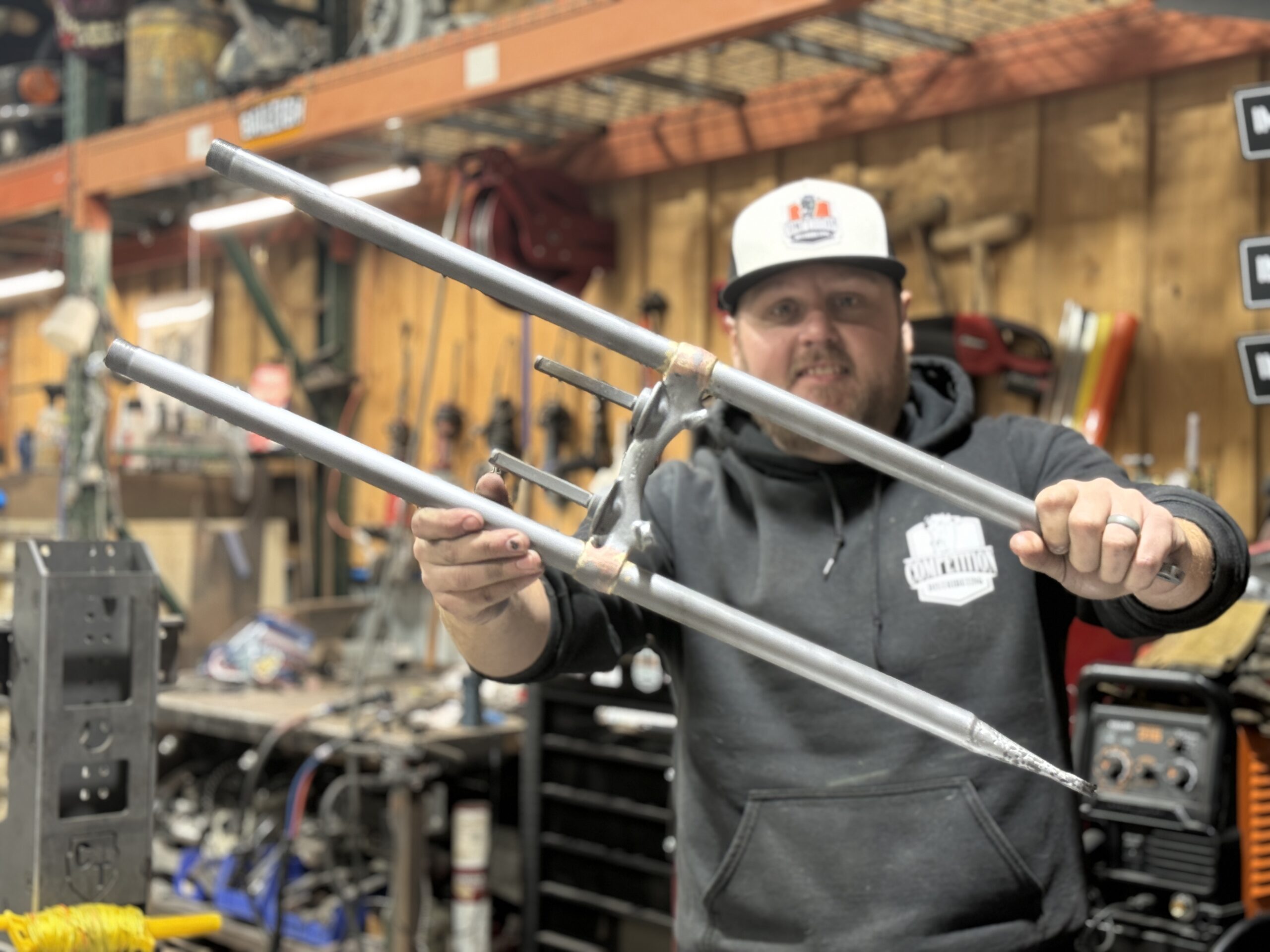
The final front end retains the original Harley castings while replacing the unsafe, heavily pitted tubes with brand new precision machined components. Everything is straight, solid, and ready to go back on the bike.
This front end is headed back to its owner so the bike can continue coming together. It will eventually be raced cross country in the Motorcycle TransAm, which is exactly the kind of life these old machines were built for.
Saving original parts whenever possible keeps the soul of these bikes alive. Anyone can bolt on new parts. Keeping history rolling down the road takes a little more effort, a little more patience, and a lot more heat.
Exactly the way we like it.